


Harnessing AI-Based Protein Structure Prediction with Lasergene Protein
DOWNLOAD THIS GUIDE
Comparison of AI-Based Protein Modeling Methods
Overview
No single prediction algorithm is ideal for every research question. Today’s leading AI models each offer unique capabilities, making it possible to choose the approach best suited to a particular project. This chapter will discuss several popular methods for protein modeling:
- AlphaFold3 and Boltz share the same basic algorithm and are capable of modeling not only proteins and protein complexes, but also interactions involving ligands and nucleic acids.
- ESMFold2 uses a protein language model and is superior for antibody modeling because it doesn’t rely on multiple sequence alignments (MSAs) with evolutionary profile information. ESMFold2 can generate high-quality predictions in a fraction of the time required by most other algorithms, making it an excellent choice for rapid exploratory analysis and high-throughput workflows.
- OpenDDE uses an all-atom, diffusion-based approach to predict structures of proteins and more complex biomolecular systems, including protein complexes, nucleic acids, and small-molecule interactions. Its broad modeling capabilities make it a promising option for drug discovery and other applications involving diverse molecular interactions.
- AlphaFold2 (AKA AlphaFold-Multimer) is based on AlphaFold 2.3. Since AlphaFold3 and Boltz are superior algorithms, we recommend using AlphaFold2 only if you need to recreate an older prediction.
Let’s take a deeper dive into each of these algorithms and provides guidance for selecting the method best suited to your needs.
Boltz
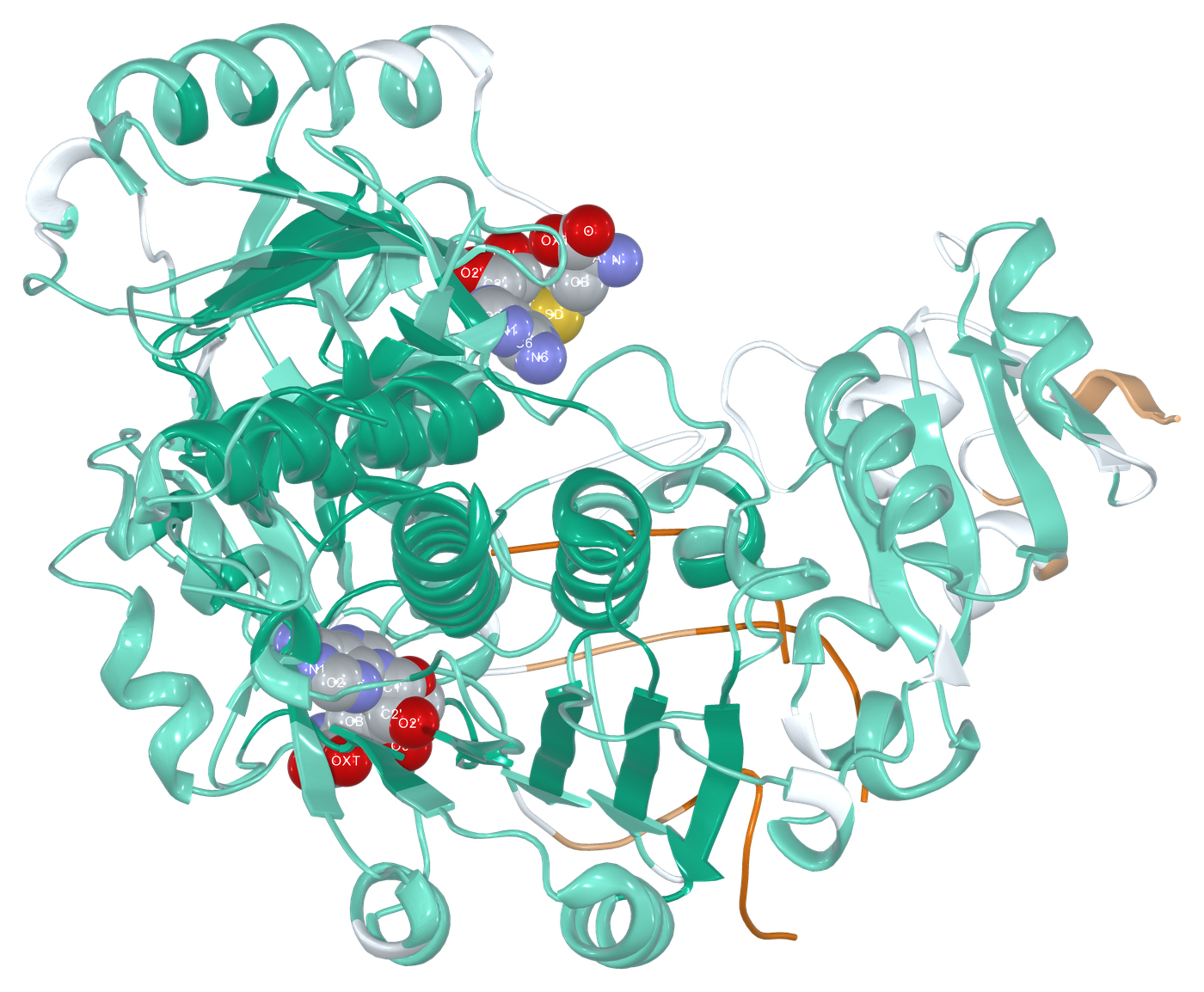
Boltz was developed by a group of bioinformaticians at MIT and is based on the approach and architecture of AlphaFold3.
While earlier prediction methods primarily focused on proteins and protein complexes, Boltz expands the scope of AI prediction by supporting additional biomolecular interactions. Depending on the selected model, Boltz can predict structures involving proteins, ligands, and nucleic acids, making it well suited for many modern drug discovery and structural biology workflows.
If you study molecular recognition, binding interactions, or complex biological assemblies, you may find that Boltz provides capabilities beyond those of algorithms designed exclusively for proteins. Lasergene Protein supports both Boltz-1 and Boltz-2, allowing you to choose the version that best fits your project requirements.
Boltz is particularly useful for studies involving:
- Protein-ligand interactions
- Protein-nucleic acid complexes
- Antibody modeling
- Protein complexes
- Structure prediction during therapeutic development
- General-purpose protein structure prediction
Like the other methods discussed in this guide, Boltz produces confidence estimates that help interpret predicted structures while identifying regions that may warrant additional investigation. Because of its versatility, Boltz is often an excellent choice when a project extends beyond protein folding alone. Both Boltz-1 and Boltz-2 are available within Lasergene Protein.
ESMFold2
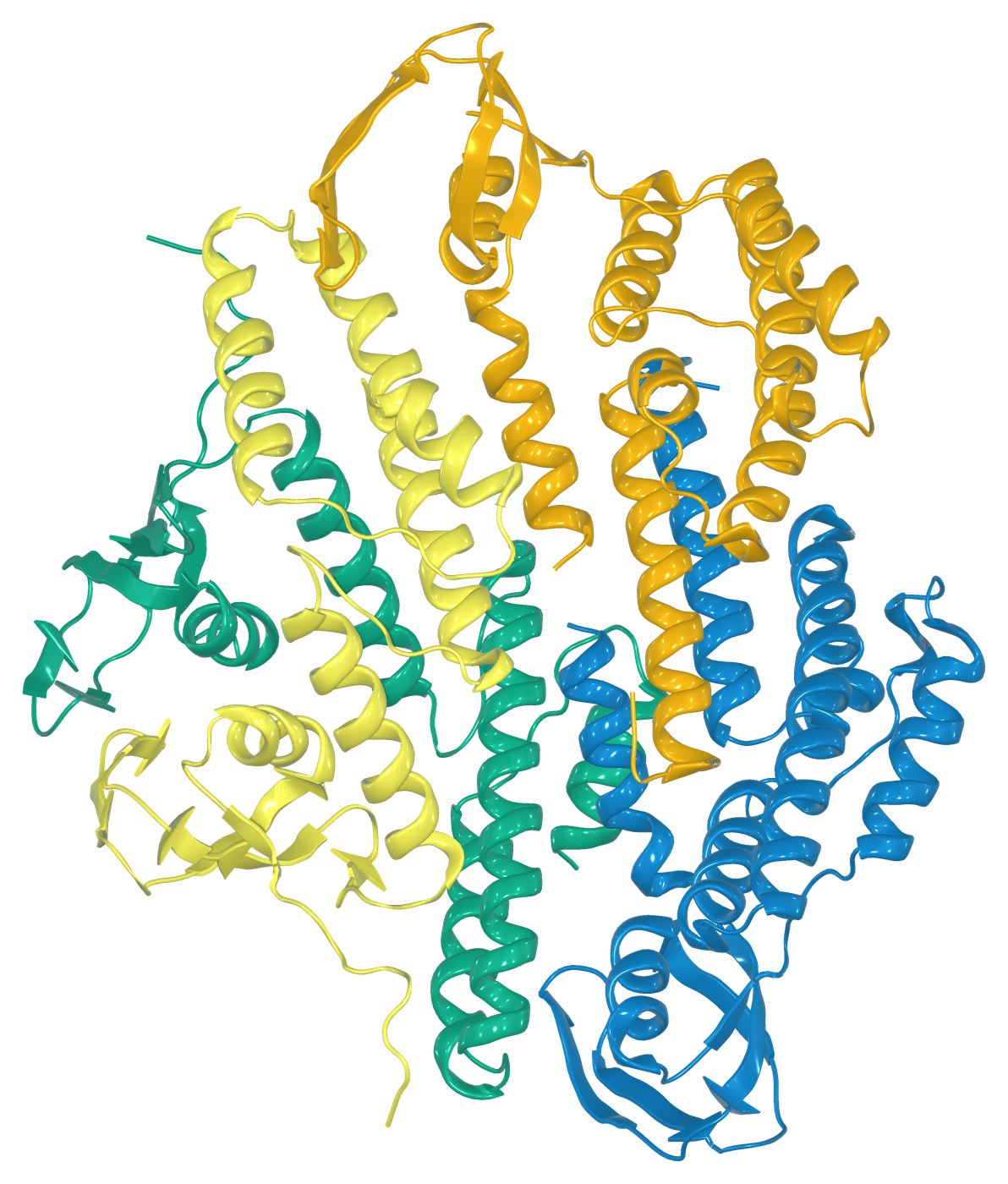
ESMFold2 was developed by Biohub and does not rely on multiple sequence alignments (MSAs) to identify evolutionary relationships. Instead, ESMFold2 uses a large protein language model that has learned structural patterns from millions of protein sequences. This allows it to generate accurate predictions directly from an amino acid sequence, eliminating one of the most computationally intensive steps required by many other prediction methods.
ESMFold2’s exceptional prediction speed makes it an ideal first-pass prediction tool. It is able to predict structures for most biomolecules, including small molecules, DNA, RNA, and modified amino acid. Many single-chain proteins can be predicted in seconds or minutes, making ESMFold2 particularly valuable for exploratory research, iterative protein engineering, and high-throughput screening projects where hundreds of candidate sequences may need to be evaluated.
This method also excels at antibody modeling. For example, DNASTAR recently used ESMFold2 model weights as part of an internal pipeline for designing a novel antibody. The resulting designs were expressed and experimentally validated by Adaptyv, a company specializing in protein binding assays. Five of 22 designs were shown to bind, including three with nanomolar affinity as measured by bio-layer interferometry (BLI).
When running antibody-antigen predictions with ESMFold2, we recommend that you trim the input sequences to focus on the antibody and antigen regions involved in the interaction. This is also recommended when using OpenDDE.
Common applications for the ESMFold2 algorithm include:
- Antibody modeling
- Rapid single-protein prediction
- Protein engineering
- Variant screening
- Mutation analysis
- Preliminary structural evaluation
- High-throughput workflows
One downside to keep in mind is that ESMFold2 is slower than Boltz since it typically offloads prediction from VRAM to traditional RAM. If you are using a typical off-the-shelf computer, this trait may cause the algorithm to run out of memory before completing large or complex predictions. For larger prediction projects or those involving ligands, nucleic acids, or more diverse molecular interactions, we recommend using Boltz instead.
OpenDDE
OpenDDE (Open-source Drug Discovery Engine) is a recently developed, open-source, all-atom biomolecular foundation model designed to extend AI structure prediction beyond conventional protein folding. Developed by Aureka AI Research, OpenDDE was released as a preview in July 2026. Rather than treating structure prediction as an isolated task, the developers designed OpenDDE as a foundation for co-folding, molecular design, and optimization within drug discovery workflows.
OpenDDE uses a diffusion-based, all-atom approach to model biomolecular complexes. Its general-purpose model can work with proteins, nucleic acids, and small molecules, allowing it to address a broader range of molecular interactions than methods focused primarily on protein structures. The current release also includes a specialized checkpoint optimized for antibody-antigen complexes.
For antibody-antigen predictions, OpenDDE can also benefit from trimming the input sequences to focus on the antibody and antigen regions involved in the interaction, just as we recommend for ESMFold2.
OpenDDE is particularly useful for:
- Protein and protein-complex structure prediction
- Protein-ligand and other biomolecular interactions
- Antibody-antigen modeling
- Modeling systems involving nucleic acids
- Structure prediction as part of drug discovery and molecular design
One of OpenDDE’s major advantages is its broad, all-atom representation and its goal of providing a common foundation for structure prediction and downstream molecular design. The developers have also reported strong performance on antibody-antigen benchmarks, including results that compare favorably with several other current structure prediction methods.
However, OpenDDE is still an emerging technology. The current release is explicitly identified as a preview, and its developers caution that interfaces, model checkpoints, and predictions may change between releases. The publicly released model also currently relies on multiple sequence alignments and has a data cutoff of September 2021.
For researchers interested in modeling increasingly complex biomolecular systems, OpenDDE provides a promising new approach that combines structure prediction with a broader vision for AI-assisted molecular design.
AlphaFold2
If you have been involved in protein research long enough, you may remember when AlphaFold made headlines with its strong performance in the CASP13 protein structure prediction competition in 2018. However, it was AlphaFold 2’s landmark performance at CASP14 in 2020 that transformed the field of structural biology.
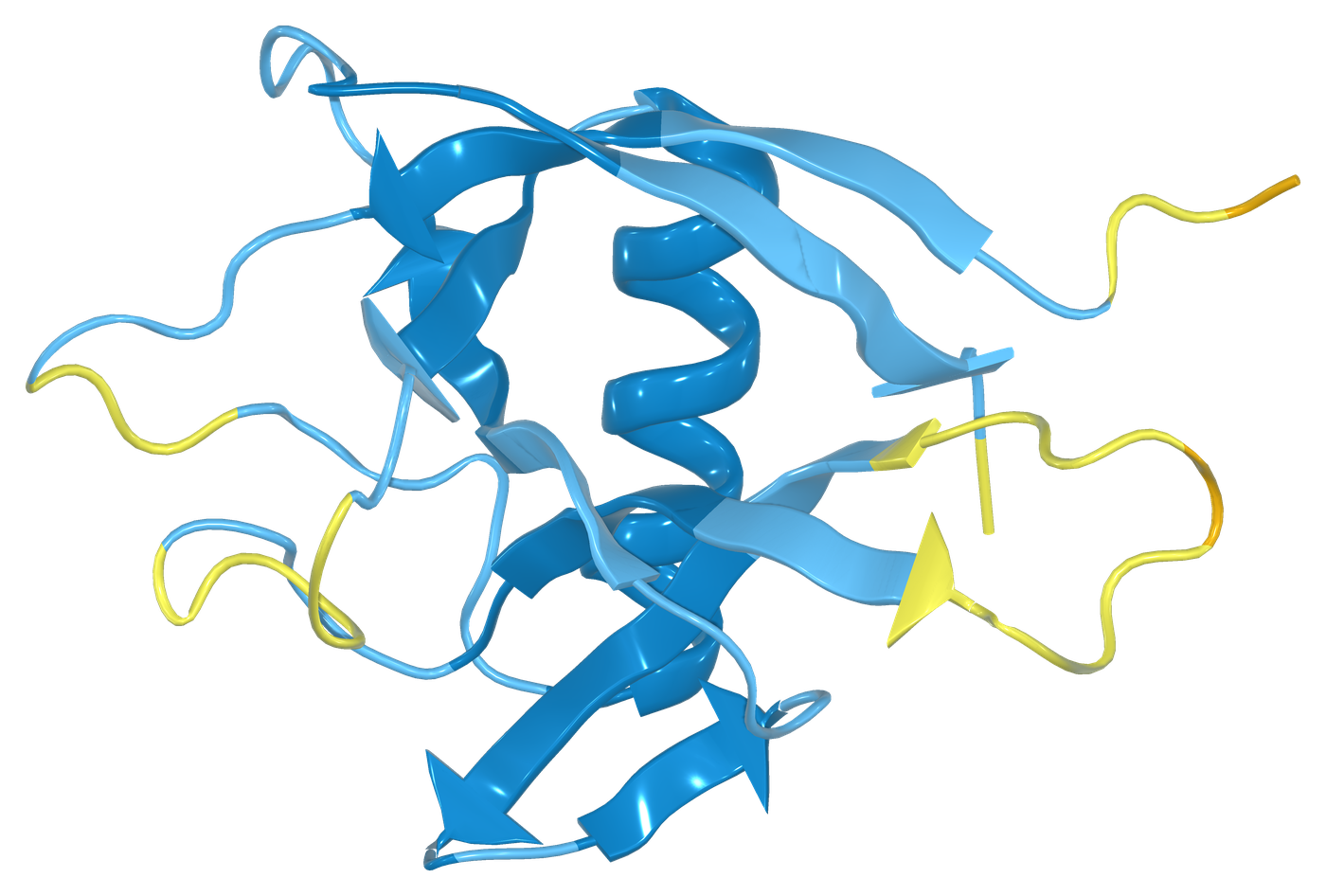
AlphaFold-Multimer (which is essentially “AlphaFold 2.3”) further expanded these capabilities to protein complexes, enabling prediction of how multiple protein chains assemble and interact. The algorithm starts by predicting individual protein structures, then predicts how those structures connect as a unit.
AlphaFold-Multimer uses a deep learning approach to predict multimeric assemblies of up to 6 structures and was a widely used structure prediction method for protein complexes such as:
- Protein-protein binding interfaces
- Homomeric and heteromeric complexes
- Enzyme complexes
- Multi-subunit proteins
Today, AlphaFold 2.3-based algorithms should be considered legacy algorithms. AlphaFold3 and Boltz (which is based on AlphaFold3) are much more accurate and can also model diverse interactions involving proteins, ligands, and nucleic acids.
Protean 3D provides the ColabFold implementation of AlphaFold 2.3 / AlphaFold-Multimer as “AlphaFold2.”. The ColabFold implementation replaces the slow JackHMMer multiple sequence alignment (MSA) step used by AlphaFold-Multimer with the same fast MSA approach as Boltz-2.
The primary advantage of ColabFold is speed. By replacing the slow sequence-search step with a much faster multiple sequence alignment, ColabFold can substantially reduce the time required to prepare a prediction while retaining AlphaFold-Multimer’s structure prediction algorithm. This makes it a practical choice if you want the established AlphaFold2.3 / AlphaFold-Multimer approach without the lengthy preprocessing associated with the original workflow.
Choosing the best algorithm
In many cases, the choice of prediction method depends on the type of structure or interaction you want to investigate.
Boltz provides broad modeling capabilities for proteins, protein complexes, ligands, and nucleic acids, making it a versatile choice for many general-purpose structure prediction projects. ESMFold2 is particularly useful when speed is important, such as during protein engineering, sequence screening, or other high-throughput applications. OpenDDE offers another broad approach for modeling proteins and diverse biomolecular systems, including complexes and interactions involving nucleic acids and small molecules. See Table 1 for a side-by-side comparison of the four algorithms discussed in this guide.
For challenging or novel systems, we recommend comparing predictions generated with multiple algorithms. Agreement among independent predictions can provide additional confidence, while differences between models may highlight regions or interactions that warrant further investigation.
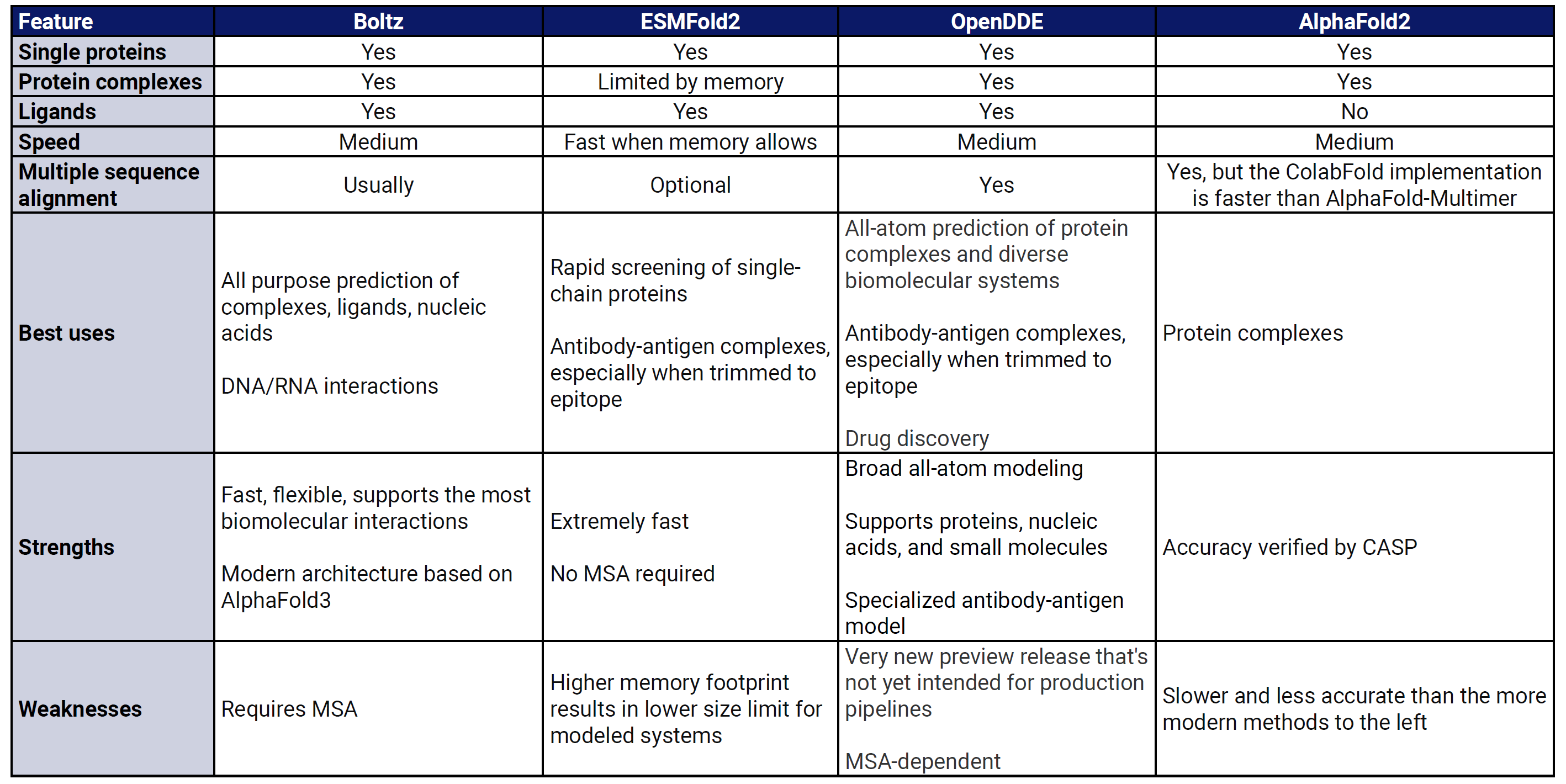
Table 1. Comparison of the strengths and weaknesses of four AI structure prediction algorithms.
Challenges and solutions for AI structure prediction
Artificial intelligence has made protein structure prediction faster and more accurate than ever. Yet accessing these advanced algorithms can still present practical challenges. Open-source implementations may require specialized hardware, complex software installations, command-line expertise, and substantial computing resources before a prediction can even begin. For researchers who want to use these methods without building and maintaining their own computational pipeline, a more streamlined approach can make structure prediction considerably more accessible.
DNASTAR’s Lasergene Protein provides an integrated environment for protein structure prediction and analysis. Through NovaCloud and NovaLocal, you can access supported AI prediction methods either through cloud-based computing or within your own local computing environment. NovaCloud eliminates the need for local computational setup, while NovaLocal provides an option for organizations that prefer to keep prediction workflows and data on their own systems.
Predictions are configured through Protean 3D, the protein sequence and structure analysis application included with Lasergene Protein. A guided prediction workflow takes about a minute to set up, without requiring command-line expertise or a separate open-source software pipeline. The same interface used to configure predictions is also used for visualization, analysis, and export of publication-quality images.
Because multiple prediction algorithms are available through the same workflow, you can select the method that best fits your protein or modeling objective without learning a different software environment for each algorithm. This makes it easier to explore different approaches while keeping prediction setup and downstream structural analysis in one place.
As prediction methods are updated and new technologies become available, NovaCloud and NovaLocal can deliver selected prediction updates without requiring Protean 3D to be reinstalled.
In the next and final chapter of this guide, we’ll demonstrate how easy it is to set up, run, and analyze a Boltz prediction using Protean 3D.